
HVAC Maintenance in Savannah, GA: Seasonal Guide for Homeowners
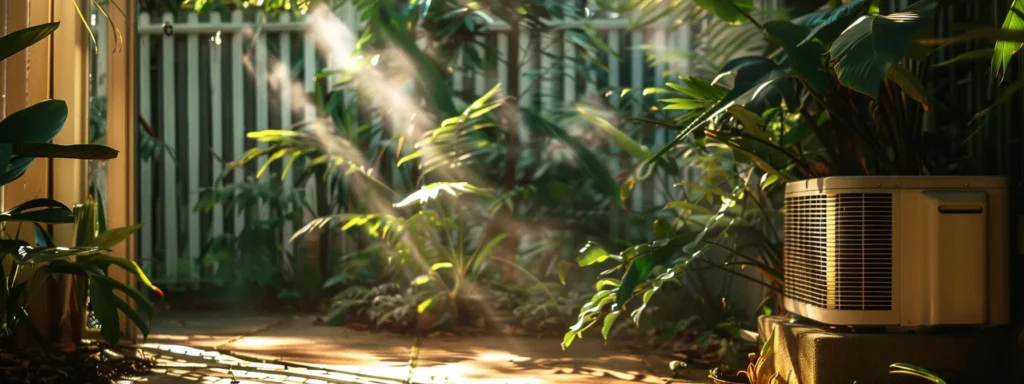
Your HVAC system works harder in Savannah than in most cities in the country. Between the 90-degree summer days with 80% humidity, mild but unpredictable winters, and a cooling season that stretches from March through October, your heating and cooling equipment runs nearly year-round. That kind of workload takes a toll, and the difference between a system that lasts 8 years and one that lasts 20 years comes down to maintenance.
“I’ve worked on HVAC systems for over 25 years, and the pattern is always the same,” says Bryan Donaldson, owner of On Time Air. “The homeowners who keep up with maintenance spend a fraction of what the ones who skip it end up paying in emergency repairs and early replacements.”
This guide breaks down what Savannah homeowners need to do each season to keep their HVAC system running efficiently, when to handle tasks yourself, and when to call a professional.
Why HVAC Maintenance Matters More in Savannah
Savannah’s climate creates conditions that accelerate wear on heating and cooling equipment in ways that homeowners in milder or drier climates don’t face.
Extended run times. Your air conditioner runs seven to eight months per year here. That’s roughly twice the runtime of a system in the mid-Atlantic or Midwest. More runtime means more wear on compressors, fan motors, capacitors, and contactors.
Humidity damage. When outdoor humidity sits at 70-80% for months on end, condensation forms on cold surfaces inside your HVAC system. That moisture promotes mold growth on evaporator coils, in drain pans, and inside ductwork. Left unchecked, it affects both air quality and system efficiency.
Coastal corrosion. Homes on Tybee Island, Wilmington Island, and near the Savannah River face salt air exposure that corrodes outdoor coil fins, copper refrigerant lines, and electrical connections faster than inland homes in Pooler or Rincon.
Pollen and debris. Savannah’s pine pollen season in March and April coats outdoor units with a thick layer of yellow-green dust. Live oaks drop leaves and debris year-round. Sandy soil gets pulled into condenser coils during windy days. All of this restricts airflow and forces the system to work harder.
The bottom line: A standard maintenance schedule designed for moderate climates isn’t enough here. Savannah homes need more frequent filter changes, more attention to drainage, and regular coil cleaning to keep systems running at their designed efficiency.
Seasonal HVAC Maintenance Checklist
Spring (February – March): Get Ready for Cooling Season
Spring maintenance is the most important service call of the year. Schedule your professional tune-up in February or March, before the first 85-degree day catches you off guard.
Professional service should include:
- Clean condenser coils (removing pollen, dirt, and debris buildup)
- Check refrigerant charge and test for leaks
- Inspect and clean the evaporator coil
- Clear the condensate drain line (pour a cup of white vinegar down the line as a preventive measure)
- Test capacitors and contactors
- Check electrical connections and tighten loose wiring
- Measure supply and return air temperatures (should be 15-20 degrees apart)
- Verify thermostat calibration
- Inspect ductwork connections for leaks
DIY tasks:
- Replace your air filter (lean toward the 30-day replacement schedule during pollen season)
- Clear vegetation and debris from around the outdoor unit (maintain 2 feet of clearance on all sides)
- Rinse the outdoor unit with a garden hose, spraying from the inside out (never use a pressure washer)
- Make sure all supply and return vents inside are open and unblocked
Summer (June – August): Keep It Running Through the Heat
Your AC works hardest from June through September. Mid-summer maintenance focuses on preventing breakdowns during peak demand.
Monthly tasks:
- Check and replace the air filter every 30 days during peak cooling (a clogged filter during a Savannah July is a recipe for a frozen evaporator coil)
- Inspect the condensate drain pan for standing water or algae growth
- Listen for new sounds: grinding, squealing, clicking, or banging all indicate a component issue
Watch for these warning signs:
- The system runs continuously without reaching the set temperature
- Ice formation on the refrigerant lines or indoor coil
- Water leaking around the indoor unit
- Energy bills that spike without explanation
- Hot spots in rooms that normally cool evenly
If you notice any of these, call for service before the problem gets worse. A refrigerant leak caught in June costs far less to fix than a seized compressor in August.
Fall (October – November): Prepare for Heating Season
Savannah’s heating season is shorter than most, but freezing temperatures do happen. November is the time to make sure your furnace or heat pump is ready.
Professional service (especially for heat pump systems that work year-round):
- Test heating mode operation
- Check the heat exchanger for cracks (gas furnaces)
- Inspect the flue and venting system
- Test safety controls and limit switches
- Clean the blower fan and housing
- Verify carbon monoxide detector operation
DIY tasks:
- Replace the air filter
- Test your thermostat by switching to heat mode and verifying the system responds
- Clear any debris that accumulated around the outdoor unit during fall leaf drop
- Check your CO detectors and replace batteries
Winter (December – February): Monitor and Maintain
Savannah winters are mild, but cold snaps happen. Your system may switch between heating and cooling multiple times in a single week during January and February.
Monthly tasks:
- Check the air filter (even with lower run times, dust accumulates)
- Keep the outdoor heat pump unit clear of leaves and debris
- Monitor energy bills for unexpected increases
Cold weather precautions:
- Never cover your outdoor heat pump unit, even during freezes. Heat pumps need airflow to operate, and covering them can cause ice damage
- If temperatures drop below 25°F, make sure your backup heat source (emergency heat strips or gas furnace) is working
- Keep interior doors open to allow even air distribution throughout the house
DIY Maintenance vs. Professional Service
Some maintenance tasks are straightforward enough for any homeowner to handle. Others require specialized tools, EPA certification, or technical knowledge that makes professional service the safer and more effective choice.
Handle yourself:
- Air filter replacement (every 30-90 days, closer to 30 during Savannah’s peak cooling and pollen seasons)
- Keeping the outdoor unit clear of debris and vegetation
- Rinsing condenser coils with a garden hose
- Pouring vinegar down the condensate drain line
- Keeping vents open and unblocked
- Monitoring for unusual sounds, smells, or performance changes
Call a professional:
- Refrigerant level checks and leak repairs (requires EPA 608 certification)
- Electrical component testing (capacitors, contactors, relays)
- Evaporator coil cleaning (requires accessing sealed indoor components)
- Heat exchanger inspection (critical safety check for gas furnaces)
- Ductwork inspection and sealing
- Any repair involving gas lines or combustion components
The U.S. Department of Energy estimates that replacing a dirty filter alone can reduce energy consumption by 5 to 15 percent. Across Savannah’s seven-month cooling season, that adds up to real money on your Georgia Power bill.
How Often Should You Schedule Professional HVAC Maintenance?
Once per year is the minimum for most Savannah homes. Schedule in February or March before cooling season starts.
Twice per year is recommended if:
- You have a heat pump that runs year-round (service before cooling season and before heating season)
- Your home is on Tybee Island, Wilmington Island, or near the coast (salt air corrosion needs a fall inspection)
- You have pets (hair and dander clog filters and coils faster)
- Your system is 10+ years old (aging components benefit from more frequent inspection)
- Anyone in the household has allergies or respiratory conditions
On Time Air offers maintenance plans that include annual or semi-annual tune-ups, priority scheduling during peak season, and discounts on parts and repairs. Most homeowners find the plan pays for itself through the repair discounts alone.
Frequently Asked Questions
How much does HVAC maintenance cost in Savannah?
A standard professional tune-up runs $89-$175 in the Savannah area. The price depends on what’s included and whether the visit covers one system or multiple. Given that a single prevented breakdown can save $500-$2,000 in emergency repairs, annual maintenance is one of the best investments you can make in your home.
What’s the single most important maintenance task I can do myself?
Change your air filter regularly. A clean filter improves airflow, reduces energy consumption, extends equipment life, and keeps your indoor air cleaner. In Savannah, change it every 30 days during peak cooling season (May-September) and during pollen season (March-April). Every 60-90 days is fine for the rest of the year.
Will skipping maintenance void my warranty?
In most cases, yes. Manufacturers including Goodman, Carrier, Trane, and Lennox require documented annual maintenance by a licensed professional to keep equipment warranties valid. Keep your service records. If you need to file a warranty claim on a failed compressor or heat exchanger, you’ll need proof of regular maintenance.
How do I know if my HVAC system needs repair or just maintenance?
If your system is blowing warm air, cycling on and off every few minutes, making unusual noises, leaking water, or causing your energy bills to spike, you likely need a repair visit rather than a standard tune-up. Call On Time Air and describe what’s happening so we can diagnose the issue and bring the right parts.
Is a maintenance plan worth it?
For most Savannah homeowners, yes. A maintenance plan typically costs $150-$250 per year and includes one or two tune-ups, priority scheduling (which matters when every HVAC company in town is booked in July), and 10-15% discounts on repairs. If you need even one repair during the year, the plan usually pays for itself.
Schedule Your HVAC Maintenance
Whether your system is due for its annual tune-up or you’ve been putting off maintenance for a few years, On Time Air can help. We serve homeowners across Savannah, Pooler, Tybee Island, Richmond Hill, Rincon, Wilmington Island, and surrounding areas in Chatham, Effingham, and Bryan counties.
As a veteran-owned business with over 25 years of HVAC experience, we show up on time and provide straightforward recommendations based on what your system actually needs.
Call 912-210-4901 or request service online to schedule your maintenance visit.