
Air Duct Cleaning in Savannah, GA: What Homeowners Need to Know
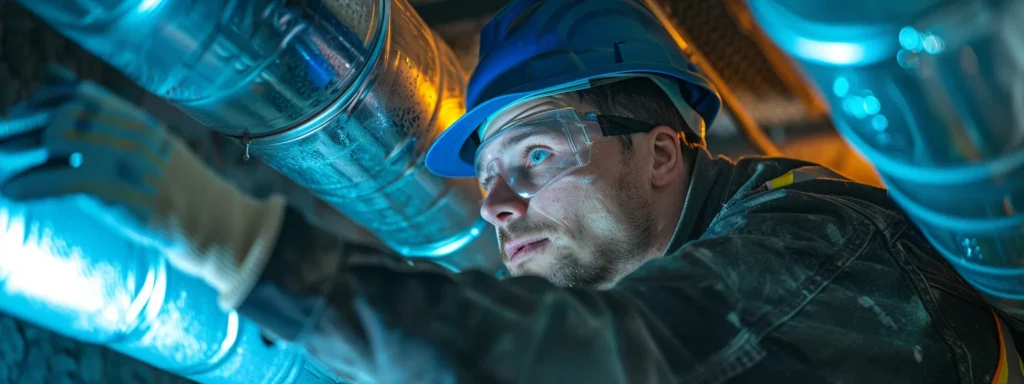
Your HVAC system pushes air through the same ductwork hundreds of times a day. Over time, that ductwork collects dust, pollen, pet dander, mold spores, and insulation particles. In Savannah, where the humidity regularly sits above 70% and pine pollen season coats everything in yellow-green dust, your air ducts accumulate contaminants faster than homes in drier climates.
On Time Air has cleaned ductwork in homes across Savannah, Pooler, and the islands for years. “The worst cases we see are homes where the ducts haven’t been touched in 10 or 15 years,” says owner Bryan Donaldson. “Homeowners are shocked at what comes out. We’re talking pounds of dust, debris, and sometimes visible mold growth around the evaporator coil area.”
This guide covers when duct cleaning makes sense, what the process involves, and how to avoid the scams that give the industry a bad reputation.
When Does Duct Cleaning Actually Make Sense?
Not every home needs duct cleaning every year. The EPA recommends duct cleaning when specific conditions are present, and On Time Air follows that same evidence-based approach.
You should schedule duct cleaning if:
- You can see visible mold growth inside ducts or on HVAC components
- Ducts are infested with rodents, insects, or other pests
- Ducts are clogged with excessive dust and debris to the point where particles are being released into the living space
- You’ve completed a major home renovation that generated dust (drywall, sanding, demolition)
- You’ve moved into a previously occupied home and don’t know the duct history
- A household member has unexplained allergy symptoms that worsen when the HVAC runs
Savannah-specific triggers:
- After heavy storm seasons when moisture may have entered ductwork through damaged areas
- If your home sits in a flood-prone area and water has reached the duct system
- Homes near the marshes or coast where higher humidity increases mold risk
- After a pest issue, especially with rodents in the attic where ductwork runs
If your ducts are intact, your filters have been changed regularly, and nobody in the house has allergy or respiratory issues, you may not need cleaning for 5-7 years. We’ll tell you that honestly during an inspection.
What Professional Duct Cleaning Actually Involves
A legitimate duct cleaning job takes 3-5 hours for an average Savannah home (1,500-2,500 square feet, one system). If someone quotes 30 minutes or offers “$99 whole house duct cleaning,” that’s a red flag.
Here’s how On Time Air approaches a duct cleaning job:
Step 1: Inspection. Before anything gets disconnected, your technician inspects the ductwork with a camera where accessible. This identifies problem areas, checks for damage, and documents the current condition. For homes in areas like Thunderbolt or the islands where humidity is highest, we pay close attention to signs of moisture and mold.
Step 2: Source removal. Using a high-powered vacuum system connected to the main trunk line, we place the entire duct system under negative pressure. This means everything loosened during cleaning gets pulled toward the vacuum, not blown into your living space.
Step 3: Agitation. While the vacuum runs, a technician works through each supply and return register with rotating brushes and compressed air tools. This dislodges the dust, debris, and buildup that’s adhered to the duct walls over the years.
Step 4: Component cleaning. The evaporator coil, blower fan, and drain pan are cleaned as part of a thorough job. These components sit right where the air enters your ductwork, and they collect the same contaminants.
Step 5: Sanitizing (when needed). If mold or microbial growth is found, we apply an EPA-registered antimicrobial treatment to affected areas. This isn’t a standard upsell; it’s only recommended when inspection confirms biological contamination.
Step 6: Final inspection and documentation. After cleaning, we re-inspect to confirm results and provide before-and-after documentation. Your technician walks you through findings and recommendations.
How Savannah’s Climate Affects Your Ductwork
Three factors make duct contamination more common in the Savannah area than in many other parts of the country:
Humidity. Air ducts sweat. When warm, humid outdoor air meets the cooled surfaces of your ductwork, condensation forms. That moisture, combined with the organic dust particles already in the ducts, creates a breeding ground for mold and mildew. Homes on Tybee Island, Wilmington Island, and near the Savannah River see this more than homes further inland like those in Rincon or Guyton.
Extended cooling season. Your air conditioner runs from roughly March through October here. That’s seven to eight months of air circulating through the duct system, picking up and depositing particles with every cycle. A home in a state with a four-month cooling season gets half the duct contamination.
Pollen and particulates. Savannah’s live oaks and pine trees produce massive amounts of pollen each spring. That pollen enters your home every time a door opens, a window is cracked, or through the fresh air intake on your HVAC system. Your filters catch much of it, but what gets past settles in the ductwork.
Duct Cleaning Costs in Savannah
For a standard single-system home in the Savannah area, expect to pay $300-$500 for a thorough duct cleaning. Factors that affect cost include:
- Number of supply and return vents. More vents means more cleaning time. A 4-bedroom home with 15 registers costs more than a 2-bedroom with 8.
- Accessibility. If your ductwork runs through a tight crawlspace or a cramped attic, the job takes longer.
- Contamination level. Homes with visible mold, heavy debris, or pest evidence require additional treatment and time.
- Dryer vent cleaning. Many homeowners bundle this service (and should, since clogged dryer vents are a fire hazard). This typically adds $100-$150 to the visit.
Be skeptical of prices that seem too low. A company offering $79 duct cleaning for your entire home is likely either doing a surface-level job (vacuuming registers but not cleaning the trunk lines) or planning to upsell you once they’re inside.
Signs Your Air Ducts Need Cleaning
Watch for these indicators between professional inspections:
- Visible dust puffs from vents when the system kicks on
- Musty or stale odors that only appear when the HVAC runs
- Inconsistent airflow between rooms (one room cools well, another doesn’t)
- Increased allergy or asthma symptoms at home but not elsewhere
- Dust accumulates on surfaces faster than usual despite regular cleaning
- Visible debris or discoloration around vent registers
If you’re not sure whether your ducts need cleaning, On Time Air offers inspections. We’ll tell you what we find and whether cleaning is warranted. No pressure, no obligation.
How to Choose a Duct Cleaning Company in Savannah
The duct cleaning industry has a reputation problem, largely because of fly-by-night operations running coupon deals with no intention of doing proper work. Here’s how to filter out the bad actors:
Check for NADCA membership. The National Air Duct Cleaners Association (NADCA) sets industry standards. Member companies follow established cleaning protocols and carry proper equipment. Ask if the company follows NADCA’s ACR standard.
Ask about equipment. A legitimate operation uses a truck-mounted vacuum or large portable vacuum system. If they show up with a standard shop vac, walk away.
Get a written quote with scope of work. The quote should specify how many vents will be cleaned, whether the evaporator coil and blower are included, and what equipment will be used.
Verify licensing and insurance. In Georgia, HVAC contractors should carry a valid state registration. On Time Air’s Georgia registration is CR110616.
Read reviews and ask for references. Check Google and Facebook for recent reviews from actual customers.
Frequently Asked Questions
How often should I get my ducts cleaned in Savannah?
Every 5-7 years for most homes. Homes with pets, allergy sufferers, smokers, or those in high-humidity coastal areas may benefit from cleaning every 3-5 years. Annual HVAC maintenance catches most issues between cleanings.
Does duct cleaning help with allergies?
If allergens like mold spores, dust mites, or pollen have built up in your ductwork, cleaning removes those contaminants from the air circulation path. Many customers in the Savannah area report noticeable improvement in allergy symptoms after cleaning, though results vary depending on what’s triggering the allergies.
Can duct cleaning reduce my energy bills?
Significant duct contamination can restrict airflow and reduce system efficiency. The EPA notes that a buildup of even 0.042 inches of dirt on a heating coil can reduce efficiency by 21%. Cleaning alone won’t transform your energy bills, but combined with regular filter changes and HVAC maintenance, it helps your system run at its designed efficiency.
Is duct cleaning messy? Will it damage my home?
When done correctly, duct cleaning shouldn’t leave any mess in your home. The negative pressure system means debris is pulled away from living spaces. Your technician will lay down drop cloths around work areas and clean up before leaving. Proper technique doesn’t damage ducts; in fact, the inspection portion often catches existing duct damage that you wouldn’t have known about.
Should I get ducts cleaned after a renovation?
Yes. Construction generates fine dust that settles throughout your duct system and will continue to circulate for months. After a renovation involving drywall, sanding, painting, or demolition, schedule duct cleaning before running the system normally.
Schedule a Duct Cleaning Inspection
If it’s been more than five years since your last duct cleaning, or if you’re noticing any of the signs listed above, call On Time Air for an inspection. We serve homeowners across Savannah, Pooler, Tybee Island, Richmond Hill, Rincon, and all of Chatham, Effingham, and Bryan counties.
Call 912-210-4901 or request service online to get started.