
Furnace Installation in Savannah, GA: A Homeowner’s Guide
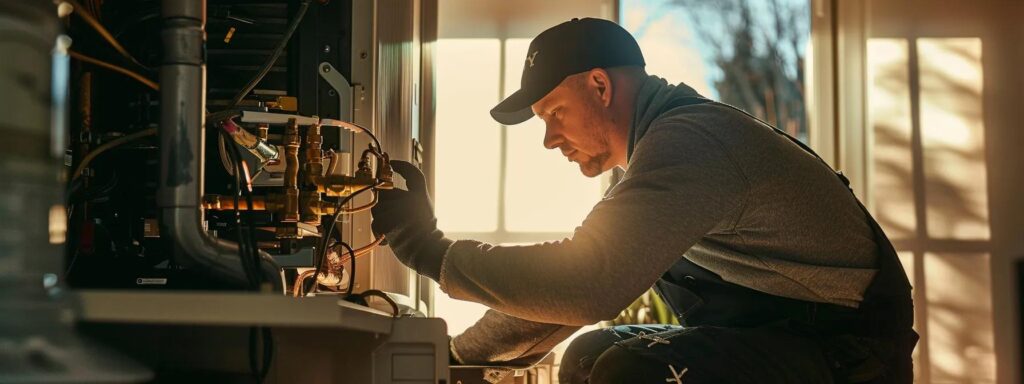
Most Savannah homeowners don’t think much about their furnace until it stops working on a cold January night. And while our winters are mild compared to the rest of the country, temperatures in the 30s and 40s are common from December through February, and overnight lows can dip below freezing several times a season. A reliable furnace keeps your home comfortable and protects your plumbing from freeze damage.
“The biggest mistake I see homeowners make is waiting until their furnace completely dies before replacing it,” says Bryan Donaldson, owner of On Time Air and a 25-year HVAC veteran. “A furnace that’s 15-20 years old and requiring frequent repairs is costing you more in energy and repair bills than a new installation would.”
This guide covers what Savannah homeowners need to know about furnace installation, from choosing the right type and size to understanding costs and local requirements.
Choosing the Right Furnace for a Savannah Home
Savannah’s heating needs are different from homes up north. Your furnace runs fewer hours per year, which changes the cost-benefit calculation on equipment choices.
Gas vs. Electric Furnaces
Gas furnaces heat faster and cost less to operate in most markets. If your home already has a natural gas connection (common in Savannah’s historic district and many established neighborhoods), a gas furnace is typically the most cost-effective choice. High-efficiency gas models achieve 95-98% AFUE ratings, meaning nearly all the fuel you pay for becomes heat.
Electric furnaces cost less to purchase and install since they don’t require gas lines, venting, or combustion safety components. However, they cost more to operate month-to-month. For Savannah homes without existing gas service, the cost of running a new gas line may make an electric furnace or heat pump the more practical option.
Heat pumps deserve consideration for Savannah’s climate. Because our winters are relatively mild, a heat pump can handle heating and cooling efficiently without a backup furnace in most cases. On Time Air installs both traditional furnaces and heat pump systems and can help you decide which makes sense for your home.
Sizing Matters More Than Brand
An oversized furnace cycles on and off too frequently, wasting energy and wearing out components faster. An undersized unit runs constantly without reaching the set temperature. Proper sizing requires a Manual J load calculation that accounts for your home’s square footage, insulation, window types, ceiling height, and orientation.
For a typical 1,800 square foot Savannah home with average insulation, you’d usually need a 60,000-80,000 BTU furnace. But don’t rely on rules of thumb. On Time Air performs load calculations before recommending equipment to make sure you get the right size, not just the most expensive option.
We install furnaces from Goodman, Carrier, Trane, Lennox, and Rheem. Each brand has reliable models at different price points. The best furnace is the one that’s correctly sized for your home and properly installed, regardless of the name on the cabinet.
What Furnace Installation Involves
A furnace replacement in an existing home typically takes one day. A new installation where ductwork or gas lines need to be added can take two days. Here’s what the process looks like:
Pre-installation:
- Home assessment and Manual J load calculation
- Equipment recommendation and written estimate
- Permit application (required by Chatham County for gas furnace installations)
- Equipment ordering (most common models are available within 1-2 business days)
Installation day:
- Remove the old furnace and dispose of it properly
- Install the new furnace, connecting to existing ductwork, gas lines, and electrical
- Install or replace the flue/venting as needed (high-efficiency models use PVC venting instead of metal flues)
- Connect and calibrate the thermostat
- Test the system through multiple heating cycles
- Check for carbon monoxide leaks at all connections
- Verify proper combustion and venting
- Walk the homeowner through the new system operation
After installation:
- Register the manufacturer warranty
- Schedule the first maintenance visit (typically 12 months out)
- File the permit inspection with the local building department
Local Requirements for Furnace Installation in Savannah
Georgia requires HVAC contractors to hold a valid conditioned air license. On Time Air’s registration number is CR110616. Before hiring any contractor, verify their license through the Georgia Secretary of State’s licensing board.
Permits: Chatham County requires a mechanical permit for furnace installations. This ensures the work is inspected and meets building code requirements. A licensed contractor handles the permit process as part of the installation.
Carbon monoxide safety: Georgia building code requires CO detectors in homes with fuel-burning appliances. If your home doesn’t have them, your installer should recommend adding them during the furnace installation.
Gas line requirements: Any modifications to gas piping must comply with the International Fuel Gas Code as adopted by Georgia. Gas line sizing depends on the total BTU load of all gas appliances in the home, so adding a larger furnace may require upgrading the gas line from the meter.
Furnace Installation Costs in Savannah
For a standard gas furnace replacement (removing the old unit and installing a new one using existing ductwork and gas lines), expect to pay $3,500-$7,500 in the Savannah area. The range depends on:
- Furnace efficiency rating. An 80% AFUE unit costs less than a 95%+ high-efficiency model, but the high-efficiency model saves $200-$400 per year on gas bills.
- Brand and features. A basic single-stage Goodman costs less than a variable-speed Carrier or Trane. Both will heat your home; the premium model runs quieter and more evenly.
- Installation complexity. Straightforward replacements cost less than installations requiring new ductwork, gas line modifications, or electrical upgrades.
- Permit and inspection fees. These are included in any reputable contractor’s quote.
On Time Air provides written estimates that break down equipment, labor, and materials separately. We also offer financing options for homeowners who prefer to spread the cost over time.
Watch out for lowball quotes. A quote significantly below market rate often means corners will be cut on installation quality, permits will be skipped, or the equipment being offered is undersized or bottom-tier. A properly installed furnace lasts 15-20 years. Saving $500 on installation but getting a system that fails in 8 years is not a bargain.
Common Furnace Installation Mistakes to Avoid
After 25 years in the trade, Bryan Donaldson has seen every installation shortcut in the book. Here are the most common issues On Time Air finds when called to fix other companies’ work:
Wrong size unit. This is the most frequent problem. Contractors who skip the load calculation and install “what was there before” or use a generic sizing formula often get it wrong, especially in older homes that have had insulation or window upgrades.
Poor ductwork connections. The furnace is only as good as the ductwork delivering the heat. Leaky connections at the plenum and trunk lines can waste 20-30% of the heated air before it reaches your living spaces.
Improper venting. High-efficiency condensing furnaces produce acidic condensate that corrodes standard metal flue pipes. These units require PVC venting, and the vent run must follow manufacturer specifications for length, slope, and termination point.
Skipping the permit. Some contractors skip permits to save time and money. This puts you at risk: unpermitted work can void your homeowner’s insurance, create problems when you sell the house, and leave dangerous installation errors undetected.
Frequently Asked Questions
How long does a furnace installation take?
A straightforward replacement using existing ductwork and gas lines takes 4-8 hours. More complex jobs requiring ductwork modifications, new gas lines, or electrical work may take a full day or extend into a second day.
How long should a new furnace last?
With annual maintenance, a quality gas furnace should last 15-20 years. Electric furnaces can last 20-25 years since they have fewer mechanical components. The key is regular maintenance and prompt repair of minor issues before they become major failures.
Should I get an 80% or 95% efficiency furnace?
In Savannah, where heating season is relatively short (3-4 months of regular use), the payback period on a high-efficiency unit is longer than in colder climates. An 80% AFUE furnace costs $1,000-$2,000 less upfront. A 95% unit saves $200-$400 per year on gas. Do the math for your situation, but for most Savannah homes, an 80% furnace offers the best value. If you plan to stay in the home long-term (10+ years), the 95% model may make more sense.
Can I install a furnace myself?
No. Georgia requires a licensed conditioned air contractor for furnace installations. Beyond legality, gas furnace installation involves gas line connections, combustion venting, and electrical work that create serious safety risks if done incorrectly. Carbon monoxide poisoning from improper venting is a real and potentially fatal danger.
Do I need to replace my ductwork when I install a new furnace?
Not always. If your existing ductwork is in good condition and properly sized for the new equipment, it can stay. Your installer should inspect the ducts during the pre-installation assessment and recommend replacement only if there’s damage, significant leakage, or a sizing mismatch.
Get a Furnace Installation Estimate
If your furnace is 15+ years old, requiring frequent repairs, or struggling to keep your home warm, it’s time to consider replacement. On Time Air serves homeowners across Savannah, Pooler, Richmond Hill, Rincon, and surrounding areas. As a veteran-owned business, we show up on time and provide honest recommendations based on what your home actually needs.
Call 912-210-4901 or request an estimate online to get started.